Seasonal Depression 101: Why it
happens and how to prevent it
OPINION
Written by Malayeka Khokhar
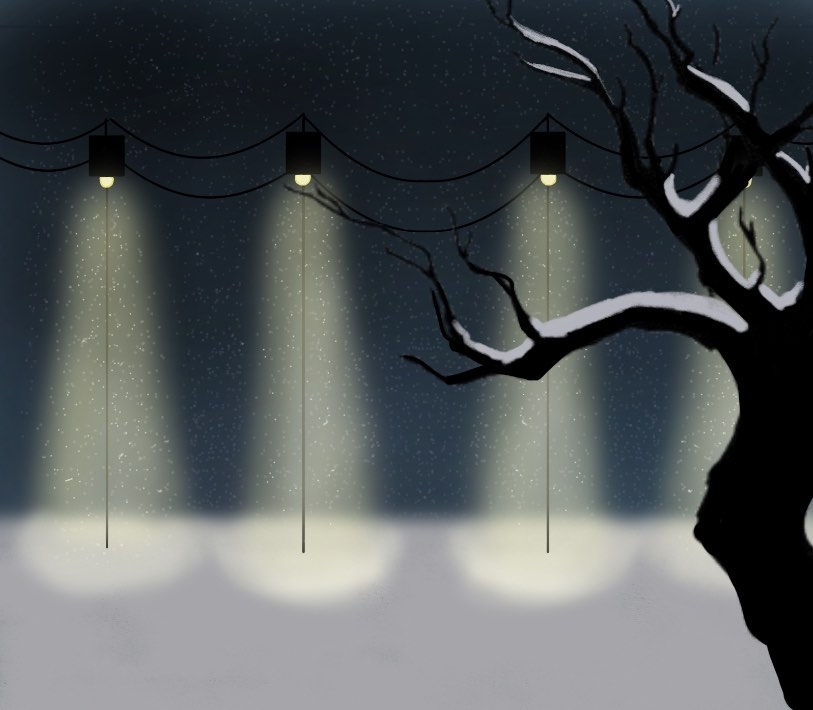
Artwork by Anniyah Govani for
The Fraser Post
Edited by Grace Yang
Disclaimer:
Before reading this article, it is important to note that seasonal depression is a common occurrence. It is not your fault, and you are not alone. If you are experiencing severe depression, please seek out a professional for help or talk with someone you trust.
I believe that every individual over the age of 12 has experienced or has come close to an experience with seasonal affective disorder (SAD) or more commonly known as seasonal depression. SAD is a form of depression that appears in people who usually have normal mental health. Throughout the year but present depressive symptoms at the same time each year. Symptoms of SAD can vary, such as the feeling of sadness, disinterest for activities that were once enjoyable, appetite changes, changes in sleep patterns and excessive tiredness. For most people, SAD begins around the time daylight savings end. This essentially means that the clocks fall back an hour making room for more light in the morning but dark earlier in the evening, resulting in the average person getting less light than they should. This is problematic as it could lead to disruptions in our circadian rhythm. The circadian rhythm is a very important aspect of human life and when interrupted it affects sleep, mood, and holistic health. Furthermore, the decreased level of sunlight can also affect chemicals in our brain like serotonin which affects mood.
There are many things you can implement into your daily life in order to reduce risks of SAD. Self care is crucial for healthy habits in general but becomes excruciatingly more pivotal throughout the winter months. One thing you can do is try getting out of your house for a 30 minute walk a few times a week. Although it is freezing cold outside, your body still needs as much fresh air as possible. Another thing you can do is add vitamin D supplements to your diet as it provides the optimal amount of vitamin D nutrients to your diet which is usually lacking in colder winter months where the sun isn’t as bright. (Consult with your doctor or a healthcare professional before doing so.) Vitamin D supplements are beneficial in tackling seasonal depression as it aids in by uplifting your mood and your overall health. Moreover, another important action to take to prevent or lessen SAD is staying social and sticking to commitments. During the winter months, it becomes really easy to withdraw and avoid interactions with loved ones. However, it is still important to build a strong support group and stay in touch with them as it will boost your mood and allow your brain to have at least one thing that stays consistent in your life. When dealing with seasonal depression, our lives tend to lack consistency doing things that have a positive outcome on our wellbeing. Hanging out with your friends consistently during the colder months becomes important because it gives you something to look forward to, provides you with social connection and relieves your stress.
Seasonal depression can feel heavy, but winter doesn’t have to! Winter brings along so many fun activities and opportunities. From skating, going to winter festivals, cozying up with hot chocolate for movie marathons and going to see light festivals. You are in control, let go of the sadness and make amazing winter memories this year!